ADAPTIVE INFORMATION SYSTEMS FOR PEOPLE WITH DISABILITIES: A HUMAN-CENTERED COMPUTING PERSPECTIVE
Keywords:
Adaptive Information Systems, Disabilities, Human-Centered Computing, Assistive TechnologiesAbstract
The design and implementation of adaptive information systems (AIS) for
people with disabilities are critical to ensuring inclusive digital environments.
Human-centered computing (HCC) plays a vital role in shaping AIS by focusing on
the needs, preferences, and capabilities of users with disabilities. This paper explores
the development of AIS from a human-centered computing perspective, identifying
key challenges and innovative solutions that enhance accessibility and usability. By
examining various technologies, including assistive devices, adaptive interfaces, and
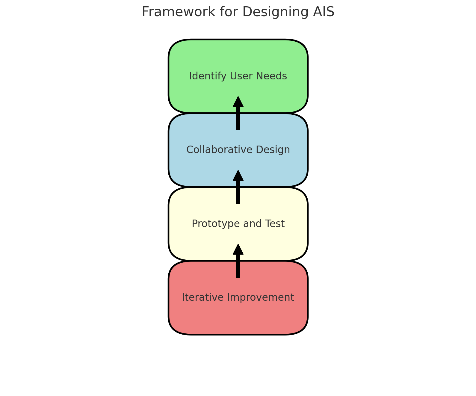
personalized services, this paper proposes a framework for designing AIS that
prioritizes user experience, flexibility, and inclusivity. Moreover, we discuss the role
of emerging technologies like artificial intelligence, machine learning, and natural
language processing in creating adaptive systems that respond to individual needs.
Through a case study approach, this paper highlights successful implementations
and potential future directions for AIS, offering insights into how these systems can
improve the quality of life for people with disabilities.
Downloads
Published
Issue
Section
License
All articles published in the Multidisciplinary Research in Computing Information Systems are licensed under an open-access model. Authors retain full copyright and grant the journal the right of first publication. The content can be freely accessed, distributed, and reused for non-commercial purposes, provided proper citation is given to the original work.